
The website and app behind a YC startup at $9.4M ARR
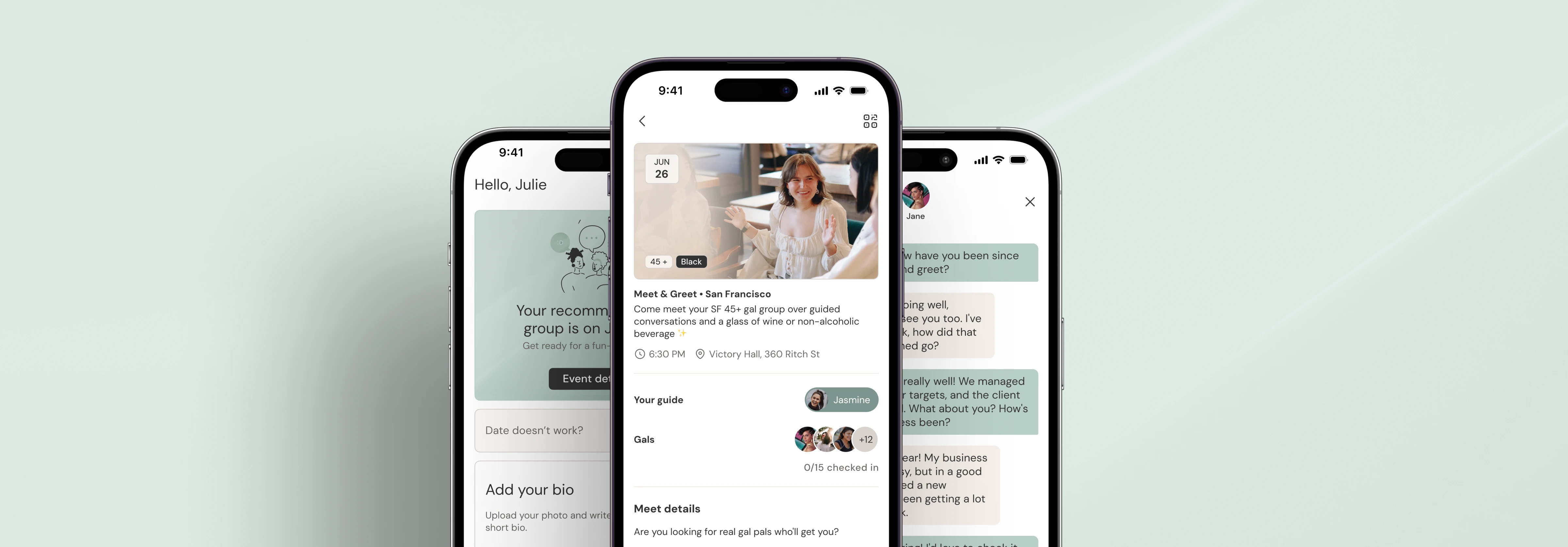
A friendship app that matches women in the same city, then runs them through six weeks of facilitator-led meetups.
- website design
- webflow website
- mobile app ux/ui
- mobile app development
- integrations
- $9.4M
- ARR
- reported at YC Demo Day, on the product we designed and built
- 100
- screens
- designed across the Webflow website and the mobile app
- Top 9
- YC
- most sought-after startups of the YC Summer 2025 batch
The challenge
RealRoots asks a woman to pay before she has met anyone. The payment buys a place in a group and six weekly meetups she cannot preview, so the product has to be worth it in week six rather than on day one. That gives the website a harder job than a signup page. It has to make a stranger trust a group of women she has not met, in a city that may have opened the week before. The second half of that shaped the build. RealRoots is for women who move cities often and arrive knowing nobody, so the business only works where those women already are, and expansion was the plan from the start: more cities, then more states, then another country. A site that needed us every time a city opened would have capped how fast that could happen. We started in May 2024, before the YC batch, with nothing shipped. The scope covered the marketing website, the mobile app, and the payment flow running through both, and it had to reach real signups quickly enough to learn from them. The first release, a website MVP, went live in June 2024, one month in.

What we did
1Ship the website before the app
The app was the eventual product, but the offer itself had not been tested on anyone. We designed and built the marketing website first, in Webflow, and shipped it in June 2024, one month after we started. That put a live signup flow in front of real women while the app was still in Figma. It also meant the argument on the page could change as fast as the offer did, without waiting on a release cycle. Everything we designed after June 2024 was informed by people who had already signed up rather than by an assumption about who would.
2One design system across two surfaces
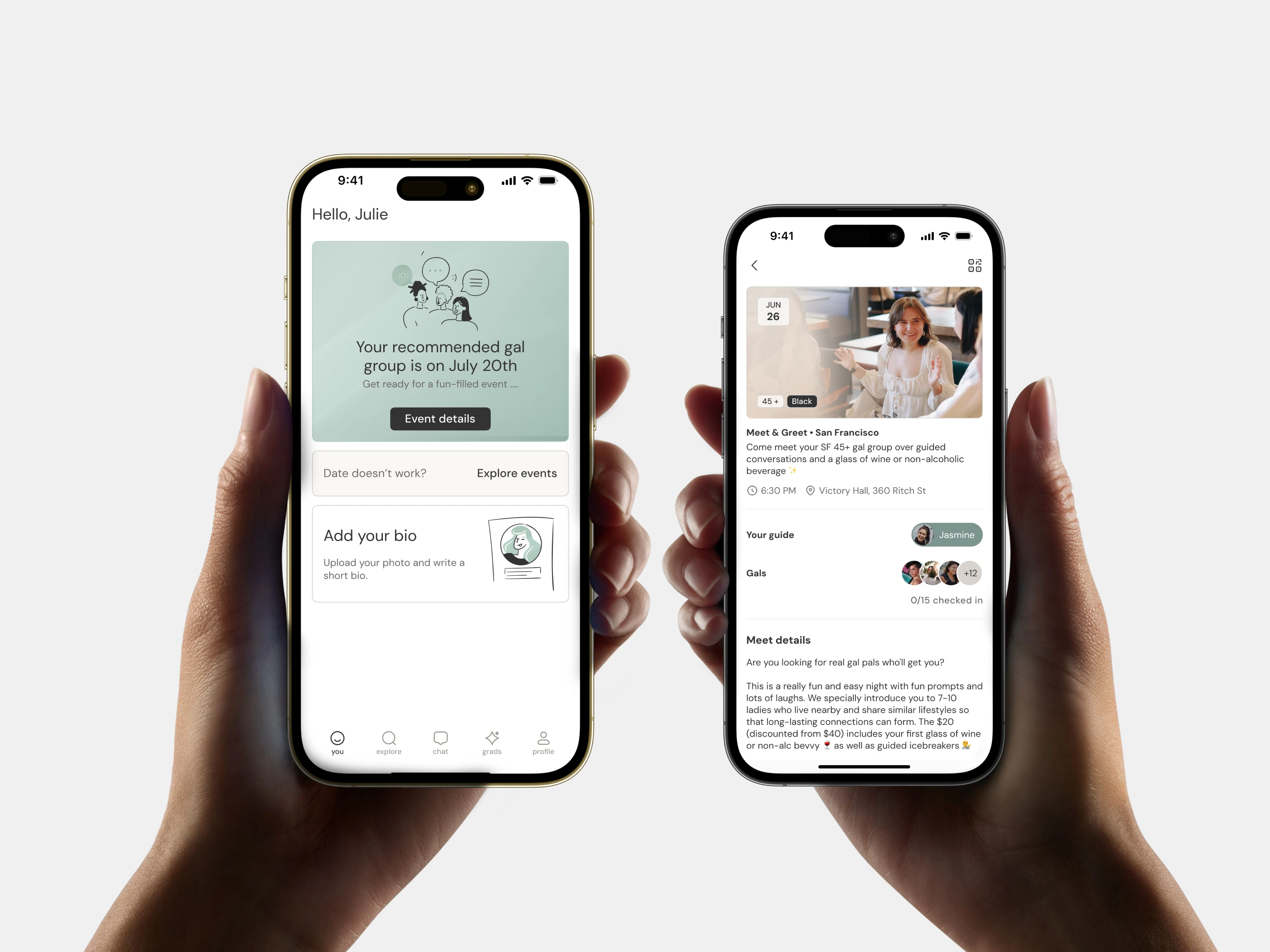
Around 100 screens went through Figma, split roughly evenly between the website and the mobile app. Both ran on one medium-sized design system. Sharing it mattered here because the website and the app carry the same promise at different moments. The website has to make a stranger trust a group of women she has not met. The app has to keep her turning up for six weeks after she has already paid. Holding one set of components across both meant the product did not change character at the point where a visitor became a member.
3Build the app, and the integrations under it
We wrote the production code, not only the designs. The app was built in FlutterFlow, which produces the iOS and Android builds from one codebase, and shipped to both stores. RealRoots ran their own backend. What we built alongside it were the Firebase functions on Google Cloud that keep Airtable in step with the app and the website, so the operational data the team worked from matched what a member saw. Stripe and PayPal took the payments, which carry more weight here than usual: the money changes hands before the first meetup, so checkout is where the promise gets tested. The app holds 4.7 stars across 1,200 App Store ratings as of August 2026.
4Through the batch, then hand it over
RealRoots went through YC Summer 2025 on the product we had built. By Demo Day the company reported $9.4M in annual recurring revenue, and TechCrunch named it one of the nine most sought-after startups of the batch. We were still on the project through all of it, and worked for another three months after that. We stopped in December 2025, nineteen months after we started, when the company raised again and hired an in-house team. That is the outcome we want from this kind of engagement. We covered the design and the build for as long as RealRoots did not have its own team, and stepped back once it did.
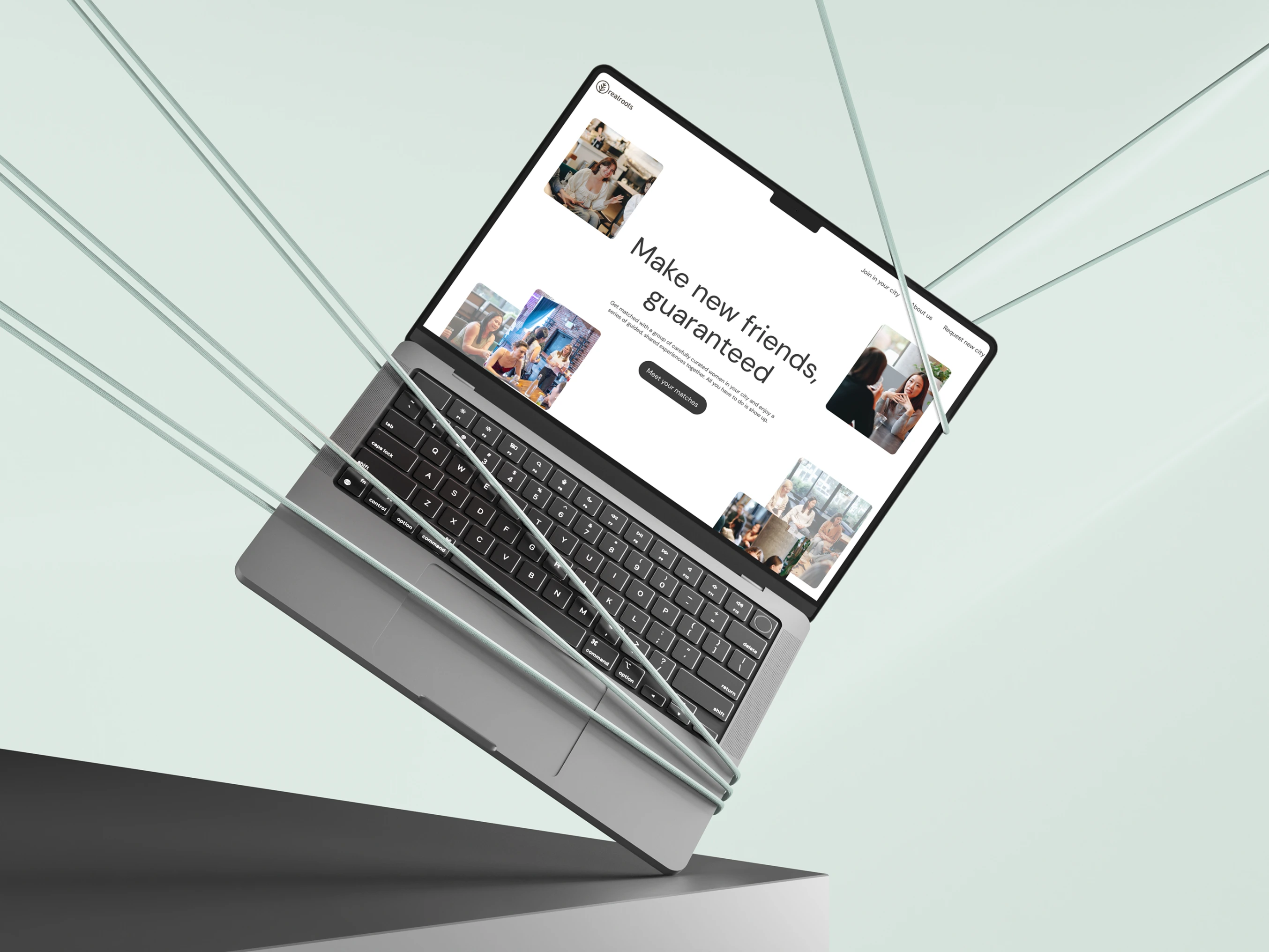
We modelled cities as Webflow CMS collections, not as fixed pages.
The obvious build for a launch site is fixed pages. At the size RealRoots was in 2024, hand-building each one is faster on day one. It is also a trap, because the growth model here is geographic: every new city is its own page and its own local content. Building the cities as CMS collections instead meant that opening a city became a content entry rather than a design and build job. That is why the site kept pace with the company. It went from its first cities to every US state, past 150 cities, and then to the UK, and adding one stayed a content job the whole way. Fixed pages would have made our availability the ceiling on how fast RealRoots could expand.
“350life are a dream to work with. They are insanely fast and thorough. We'd often hand off a loose idea at the end of the day and wake up to a polished solution.”
 Tara KappelCo-founder & CPO, RealRoots
What we built
- Platforms
- Web iOS Android
- Stack
- Webflow FlutterFlow Firebase Functions Google Cloud
- Design system
- One system across the website and the app, spanning around 100 screens
- Integrations
- Airtable Stripe PayPal
- Timeline
- May 2024 to December 2025. Website MVP live June 2024.
Related work
- brand
- website design
- web app UX/UI
- design system
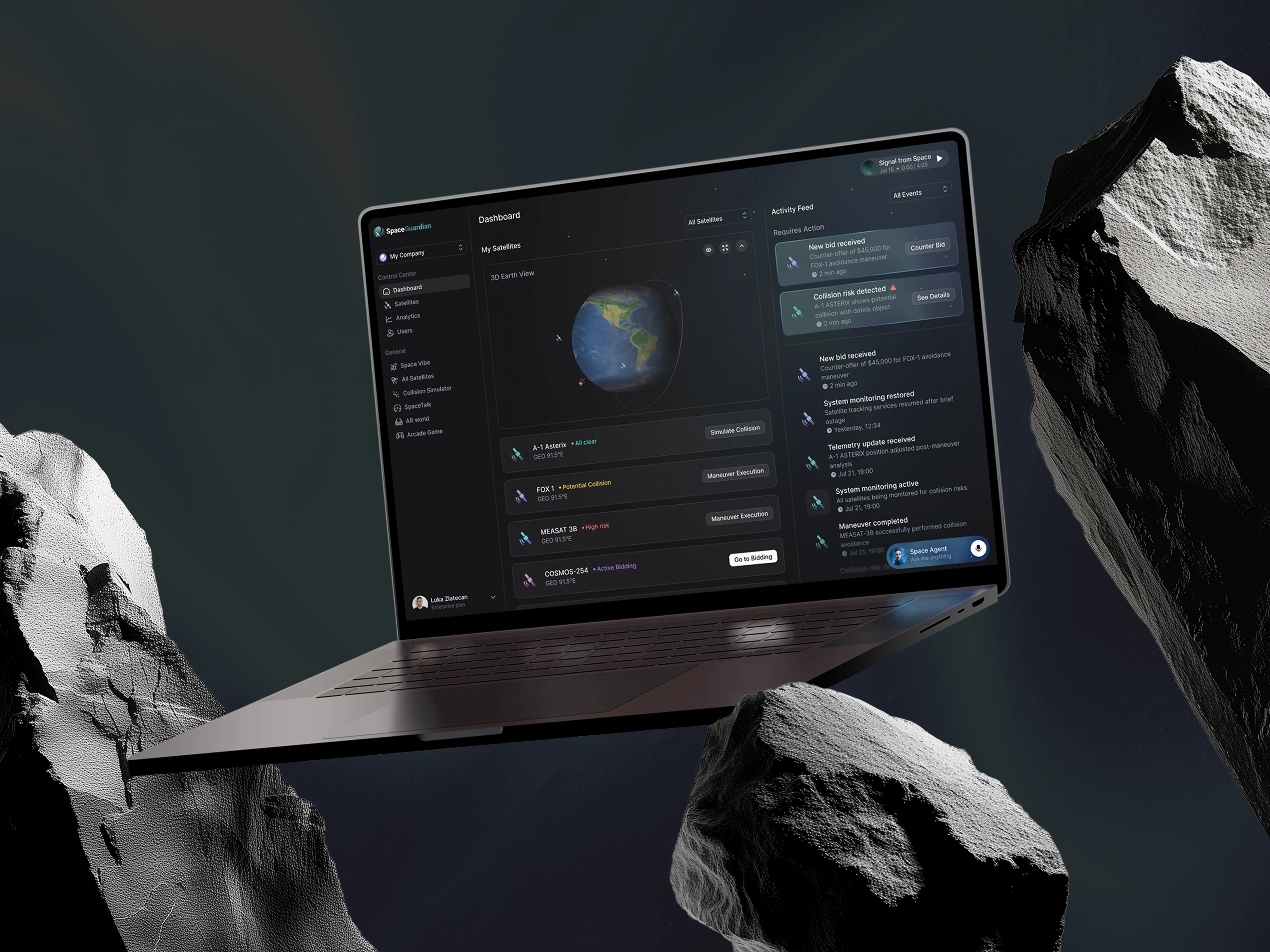
Satellite collision avoidance, designed to be acted on
A satellite collision-avoidance platform that predicts conjunction risk and coordinates the avoidance maneuver between two operators.
- ux/ui design
- design system
- ios app
- embedded web app
- webflow website
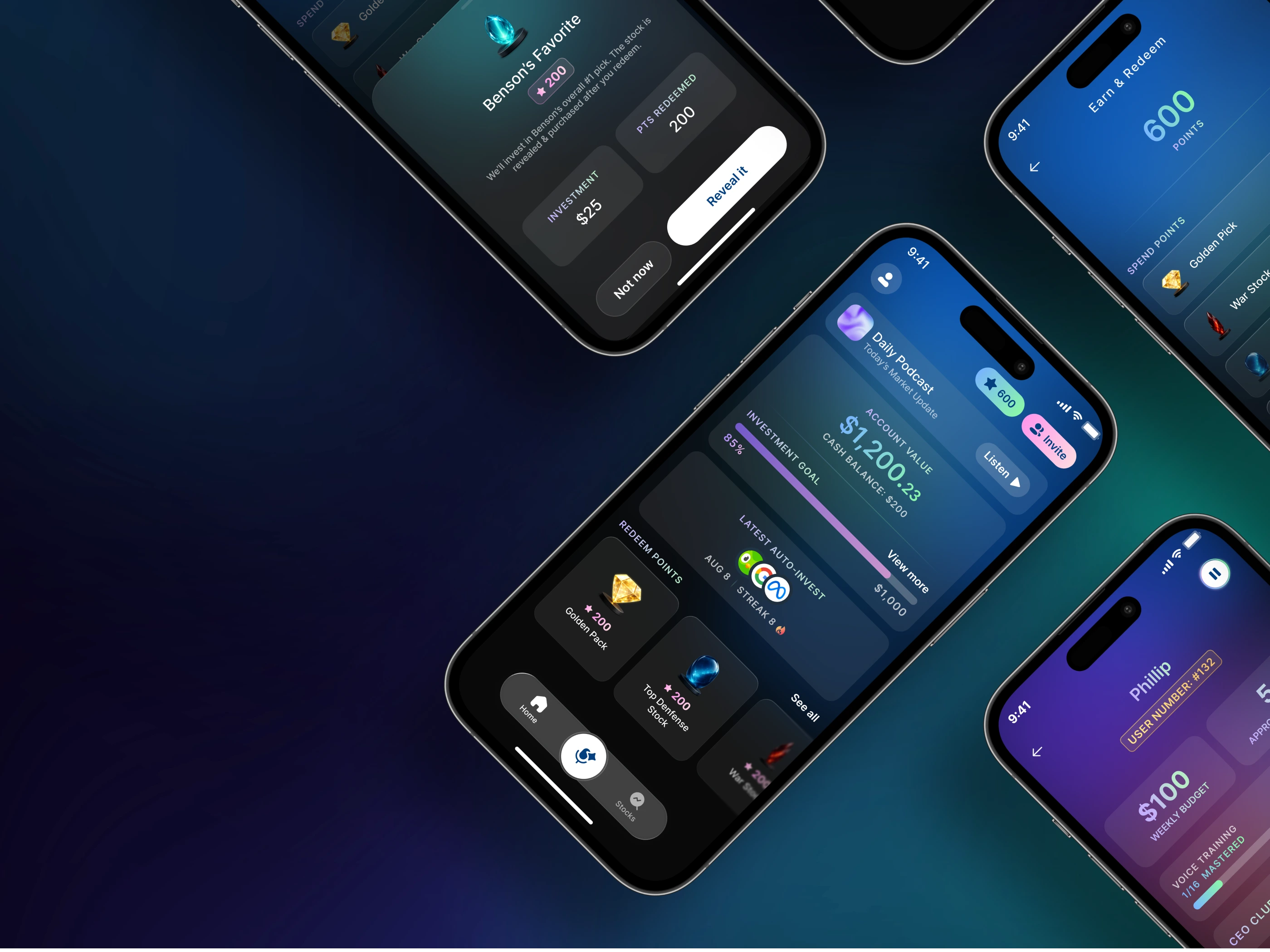
4.8 stars from 1,500 ratings for an app that invests for you every week
An investing app that picks the stocks, then invests a set weekly budget on the user's behalf.
- mobile app UX/UI
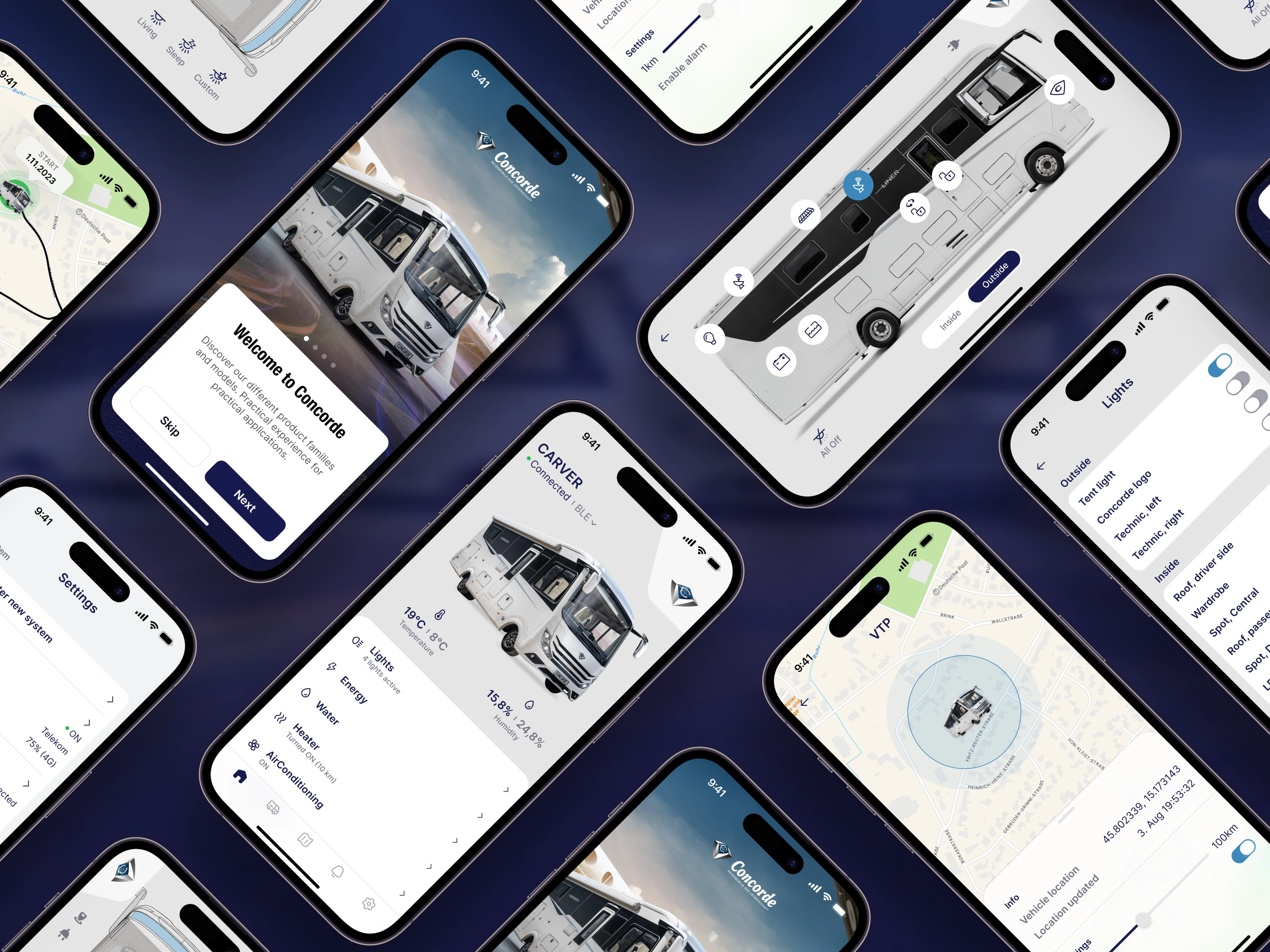
The control app for a luxury motorhome, designed to match the vehicle
A German manufacturer of luxury motorhomes, building around 400 vehicles a year at Schlüsselfeld-Aschbach since 1985.