
One design system behind six apps, still in use four years later
A Slovenian company that builds battery-powered parcel lockers and the software that lets any courier deliver to them, including Austrian Post, DPD and DHL.
- mobile app ux/ui
- web app ux/ui
- design system
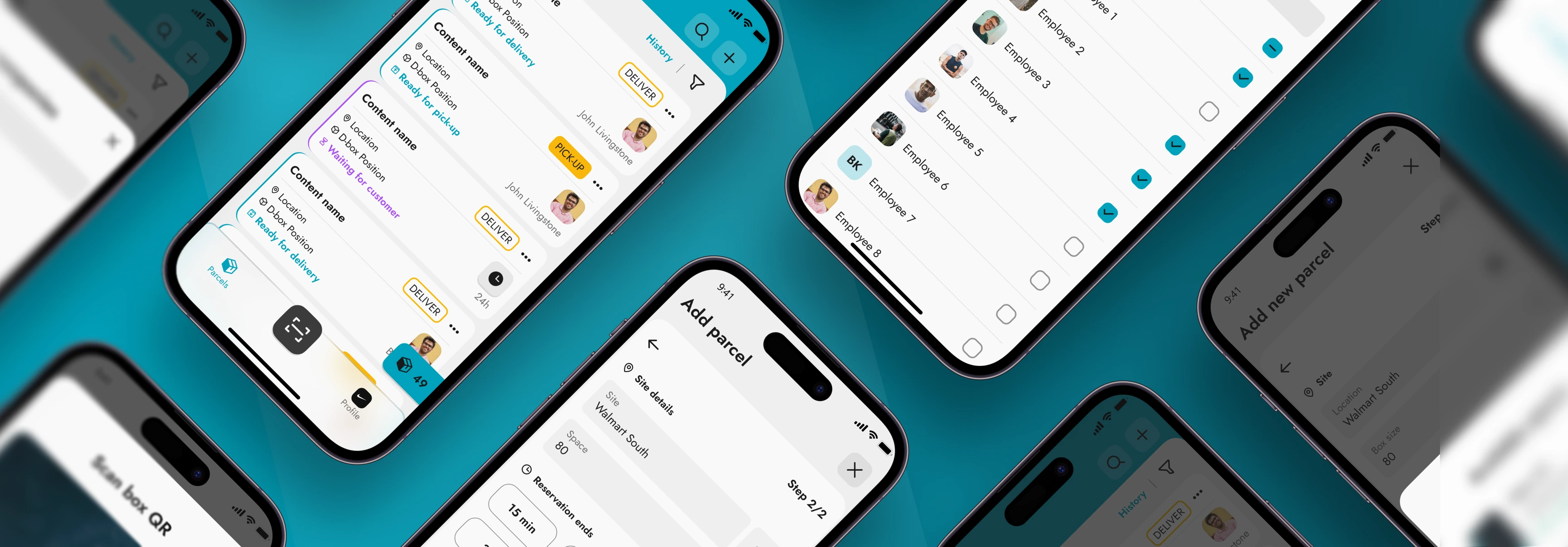
- 6 apps
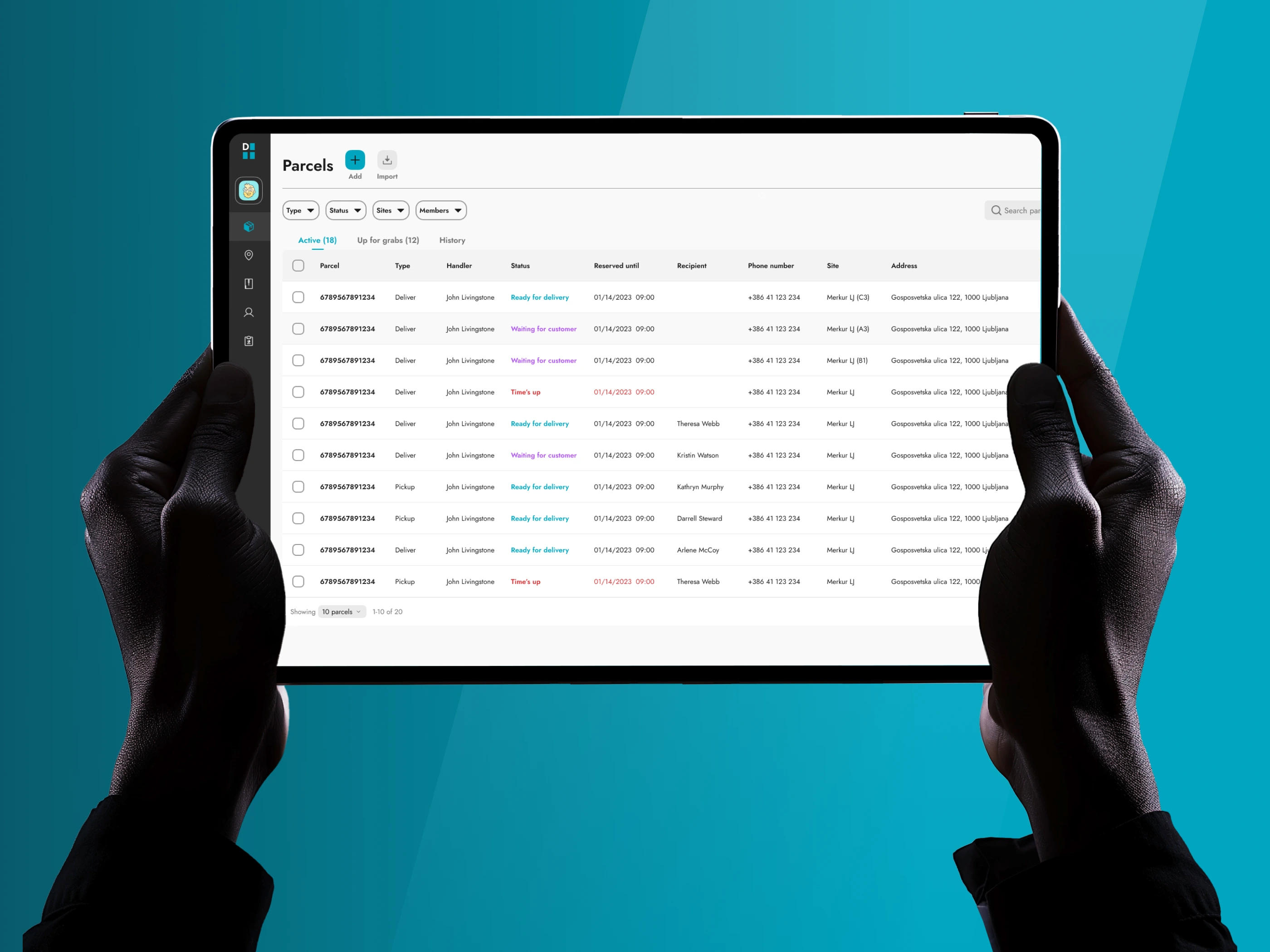
- four mobile and two web, all drawn from one design system
- ~1,000 screens
- across the six apps, counting wireframes and iterations
- 4 years
- the design system has been in use since the engagement ended
The challenge
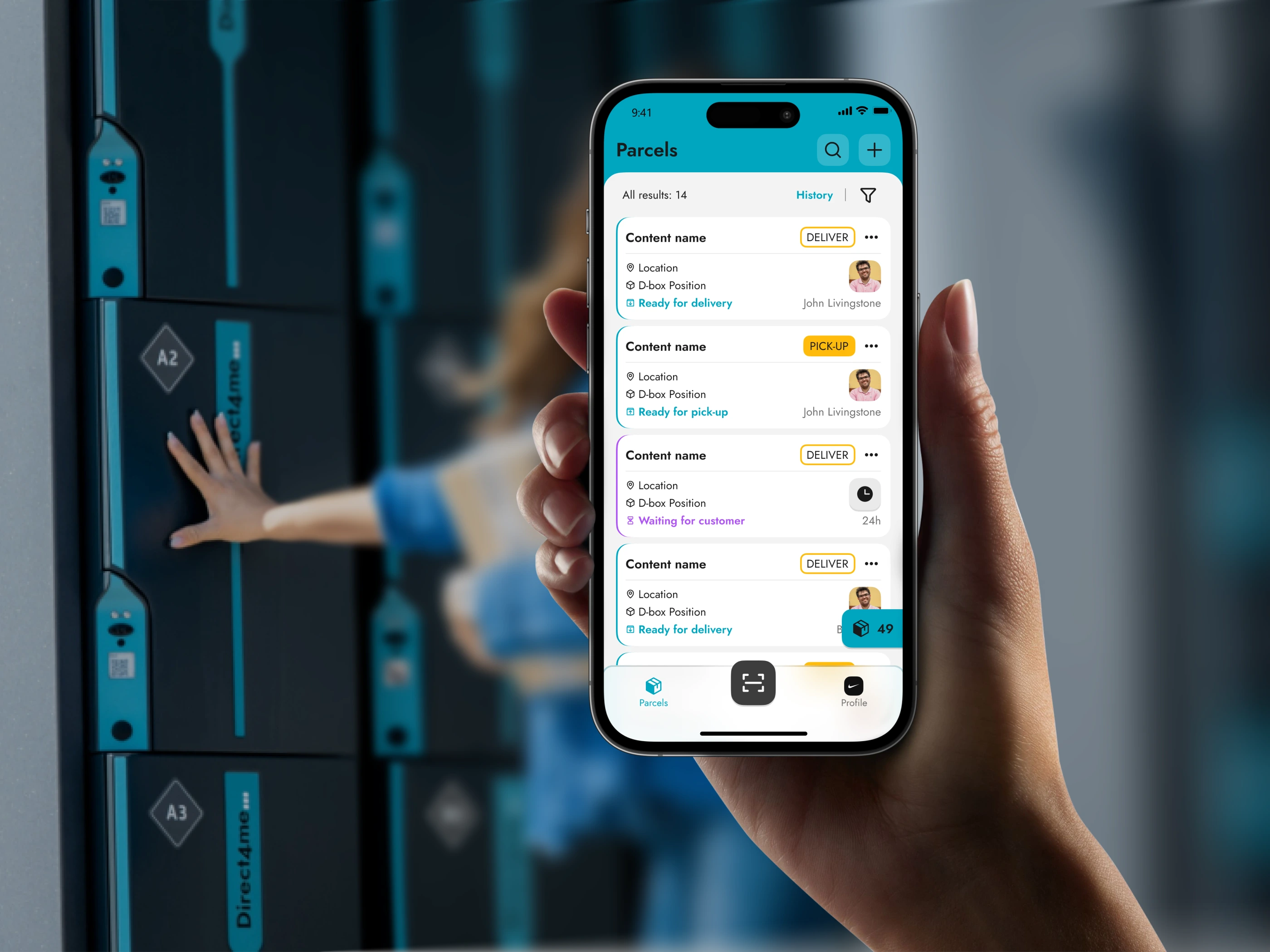
Direct4.me's product is a locker standing on a street, and almost everyone who touches it is doing so because somebody else decided they should. A recipient collects a parcel from a box they did not choose. A courier drops it there on a route they did not plan. An operator watches a network of boxes they will never physically visit. Each of those people needed their own software, and the hardware had already fixed what that software could ask of them. Six products were in flight at once, four mobile apps and two web apps, from January 2020. Designing them one after another was not an option, and designing them side by side meant six versions of the same button, the same locker state, the same parcel status. The design problem sat above the individual apps: what all six had to agree on, before any of them could be drawn.
What we did
1Build the shared system before the screens
The first work was not app screens. We built one design system in Figma covering what every app had in common: the components, and the language for a box that can be free, reserved, occupied, or out of service. Direct4.me's mobile development team worked on it with us while it was being set up. That is the reason it survived. A system drawn by designers alone becomes a reference document. One built alongside the engineers who consume it becomes the place the products are actually made from. It was among the first full design systems the studio built.
2Draw six products out of it
Four mobile apps and two web apps came out of that system between January 2020 and February 2022. Close to a thousand screens once wireframes and iterations are counted, which is what six products in parallel genuinely costs. The system is what stopped that number becoming six separate arguments about the same locker. It is still in use at Direct4.me four years after the engagement finished, which is a harder test than any of the screens passed.
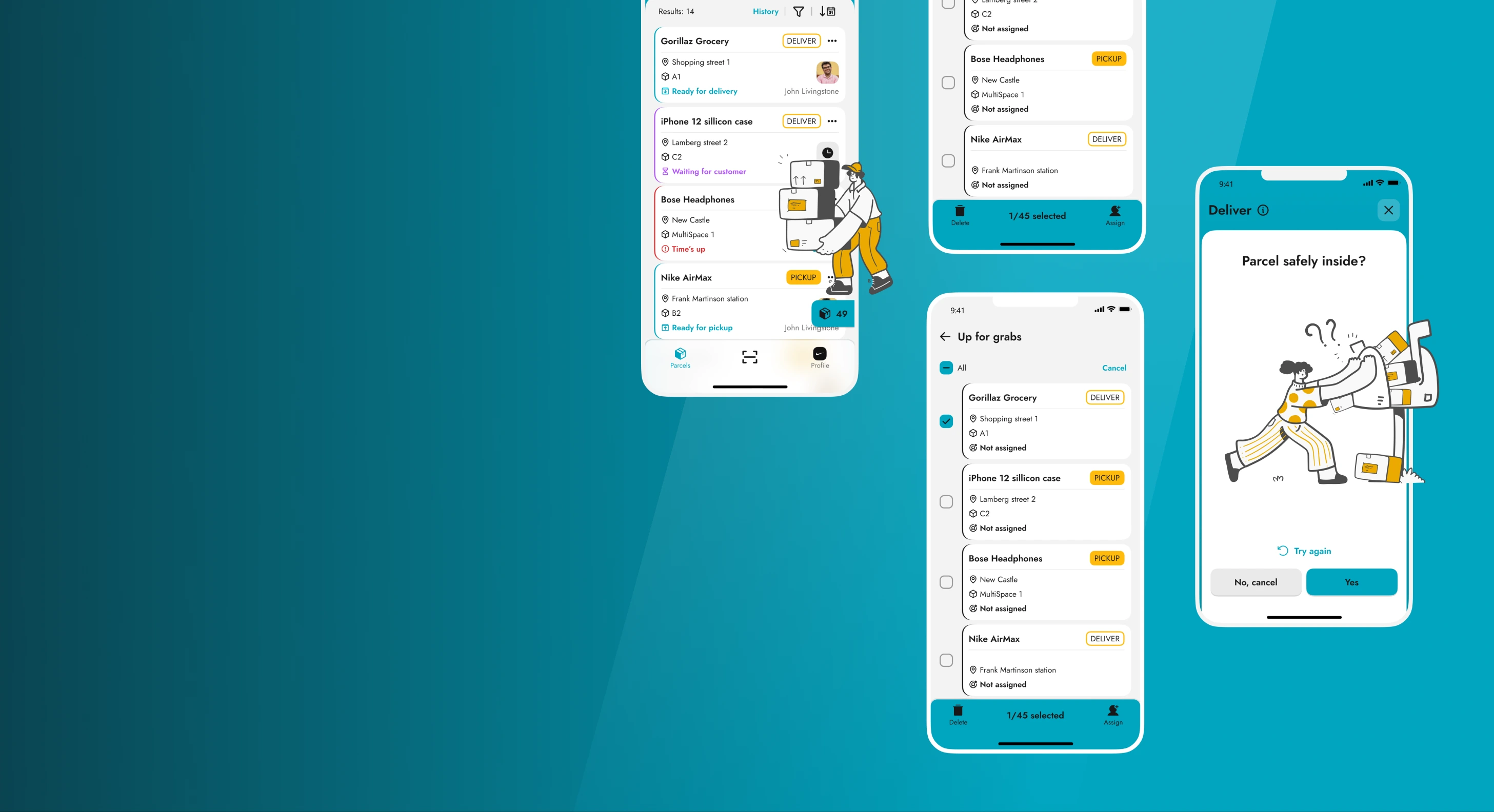
We spent the early part of the engagement building a design system, rather than starting on the six apps that were already waiting.
The obvious move with six products in flight is to start drawing screens, because screens are what everyone is waiting for and a system reads as a delay. That is the wrong order here. Six apps describing the same locker will each invent their own word for a box that is reserved, and every one of those inventions has to be reconciled later, in code, across four mobile clients. Building the shared language first meant one decision reached six products instead of six decisions being negotiated. Their mobile development team helped build it, which is why it outlived us. The people who use a design system every day are the ones who keep it alive.
What we built
- Platforms
- iOS Android Web
- Stack
- Figma
- Design system
- One system in Figma, shared by four mobile apps and two web apps
- Timeline
- January 2020 to February 2022
Related work
- website design
- webflow website
- mobile app ux/ui
- mobile app development
- integrations
The website and app behind a YC startup at $9.4M ARR
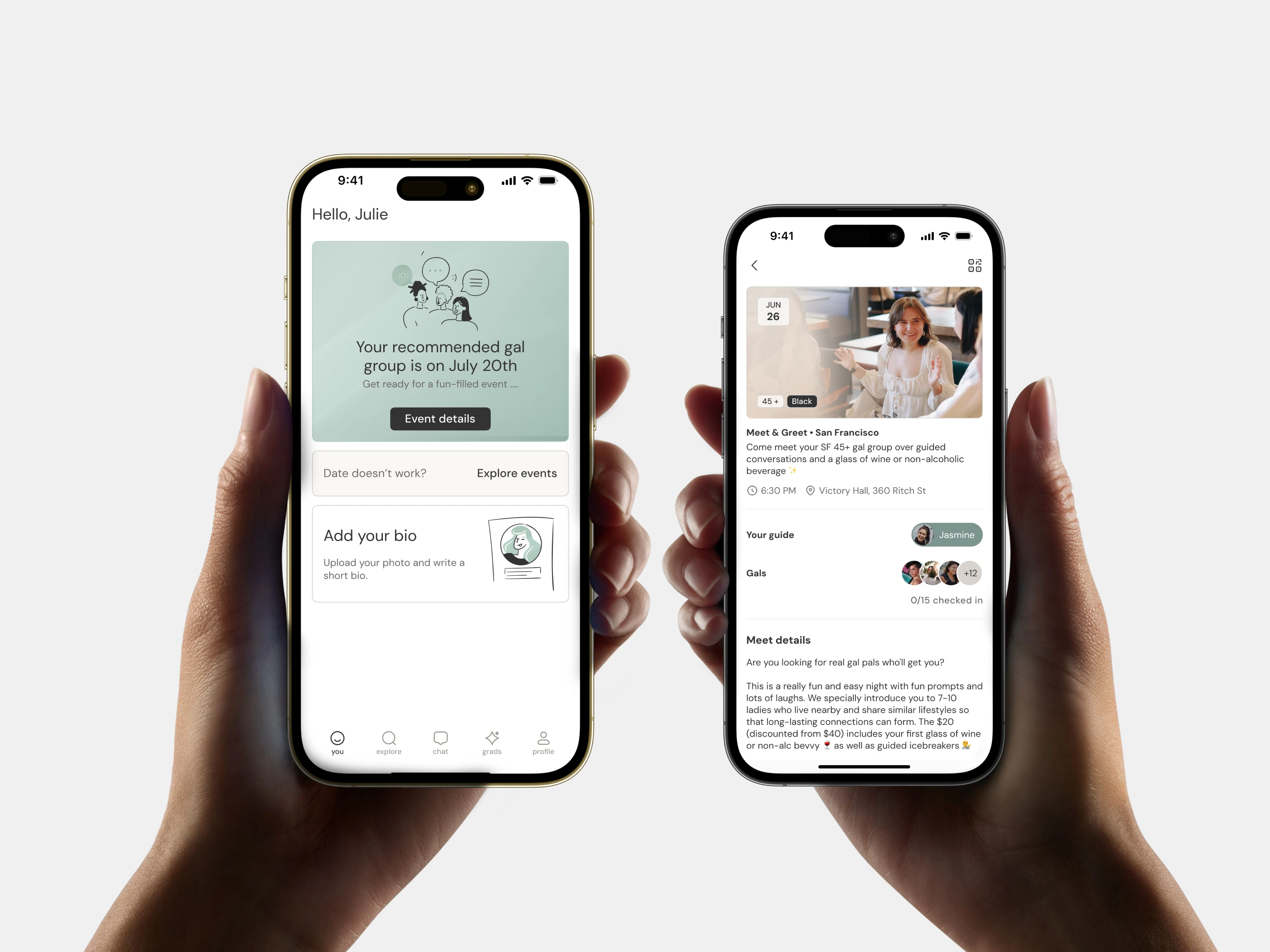
A friendship app that matches women in the same city, then runs them through six weeks of facilitator-led meetups.
- ux/ui design
- design system
- ios app
- embedded web app
- webflow website
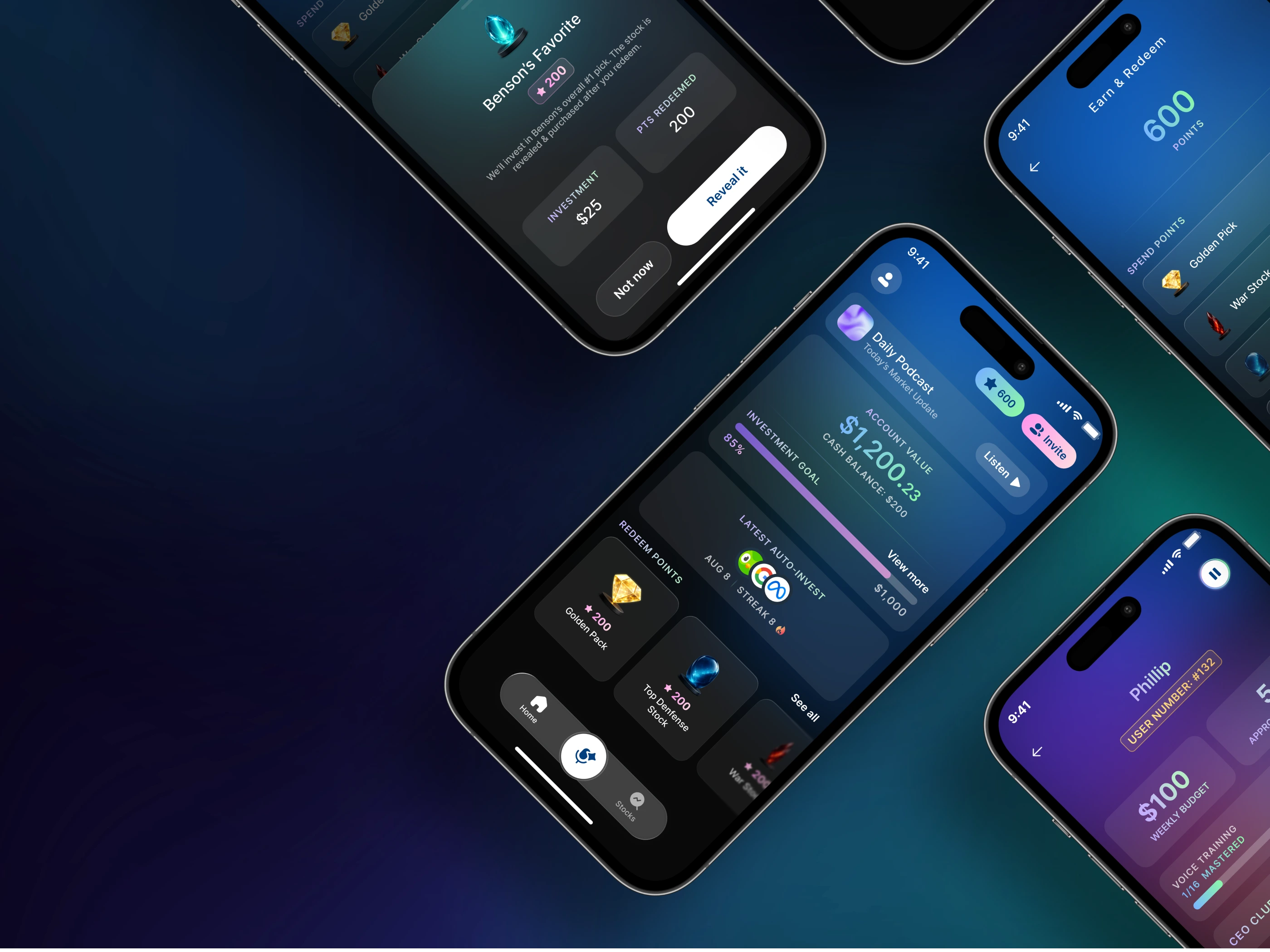
4.8 stars from 1,500 ratings for an app that invests for you every week
An investing app that picks the stocks, then invests a set weekly budget on the user's behalf.
- mobile app UX/UI
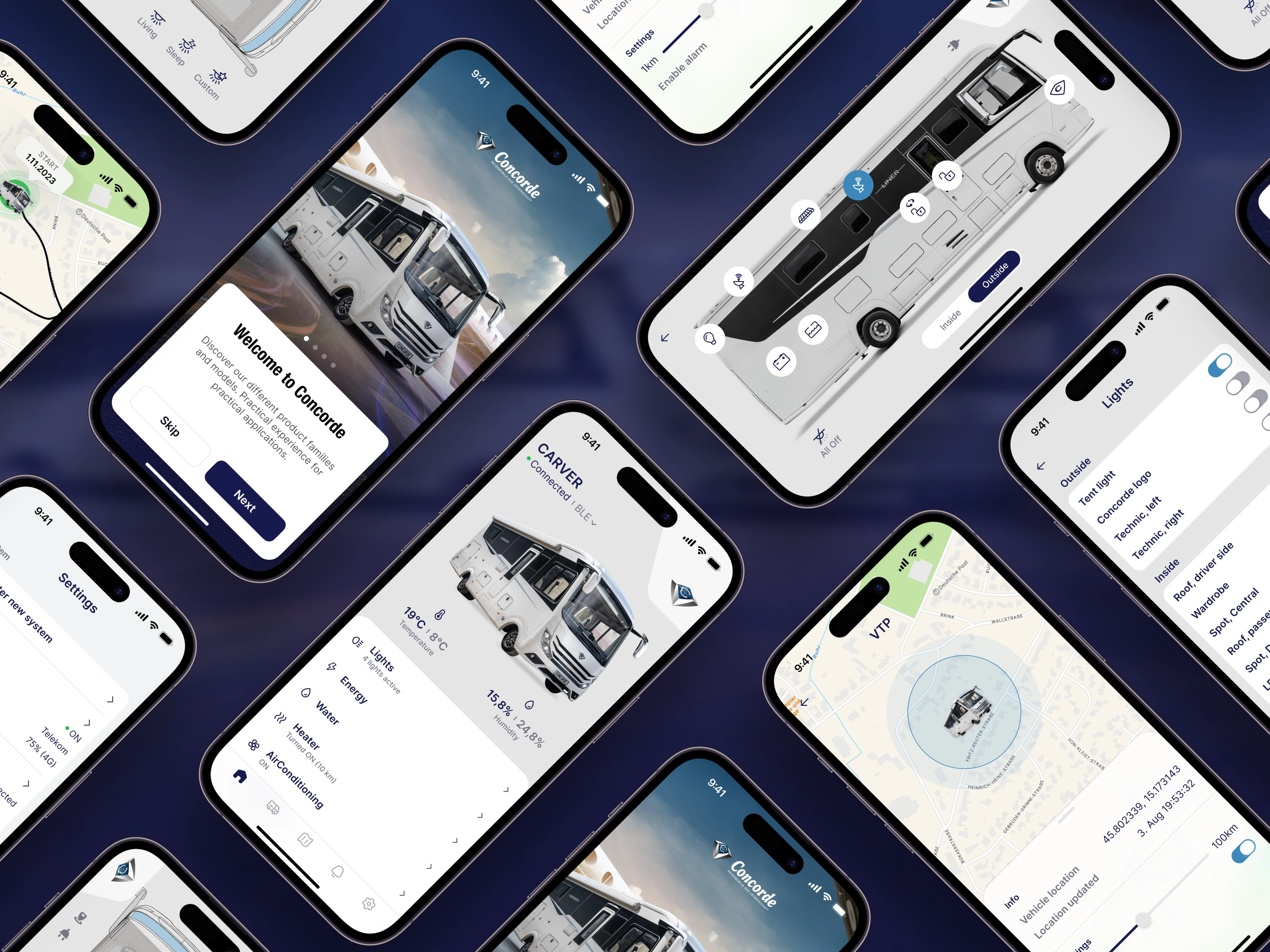
The control app for a luxury motorhome, designed to match the vehicle
A German manufacturer of luxury motorhomes, building around 400 vehicles a year at Schlüsselfeld-Aschbach since 1985.