
Mac, iPad and iPhone from one design, and a 4.8-star launch
Remote desktop for the AI era. Monitor and control agents running on a headless Mac from anywhere.
- ux/ui design
- ios app design
- macos app design
- design system
- 3 platforms
- Mac, iPad and iPhone, 15 screens designed as one product
- 4.8 stars
- from 148 App Store ratings for the app we designed
- TechCrunch
- covered the launch, with MacRumors, 9to5Mac and AppleInsider the same day
The challenge
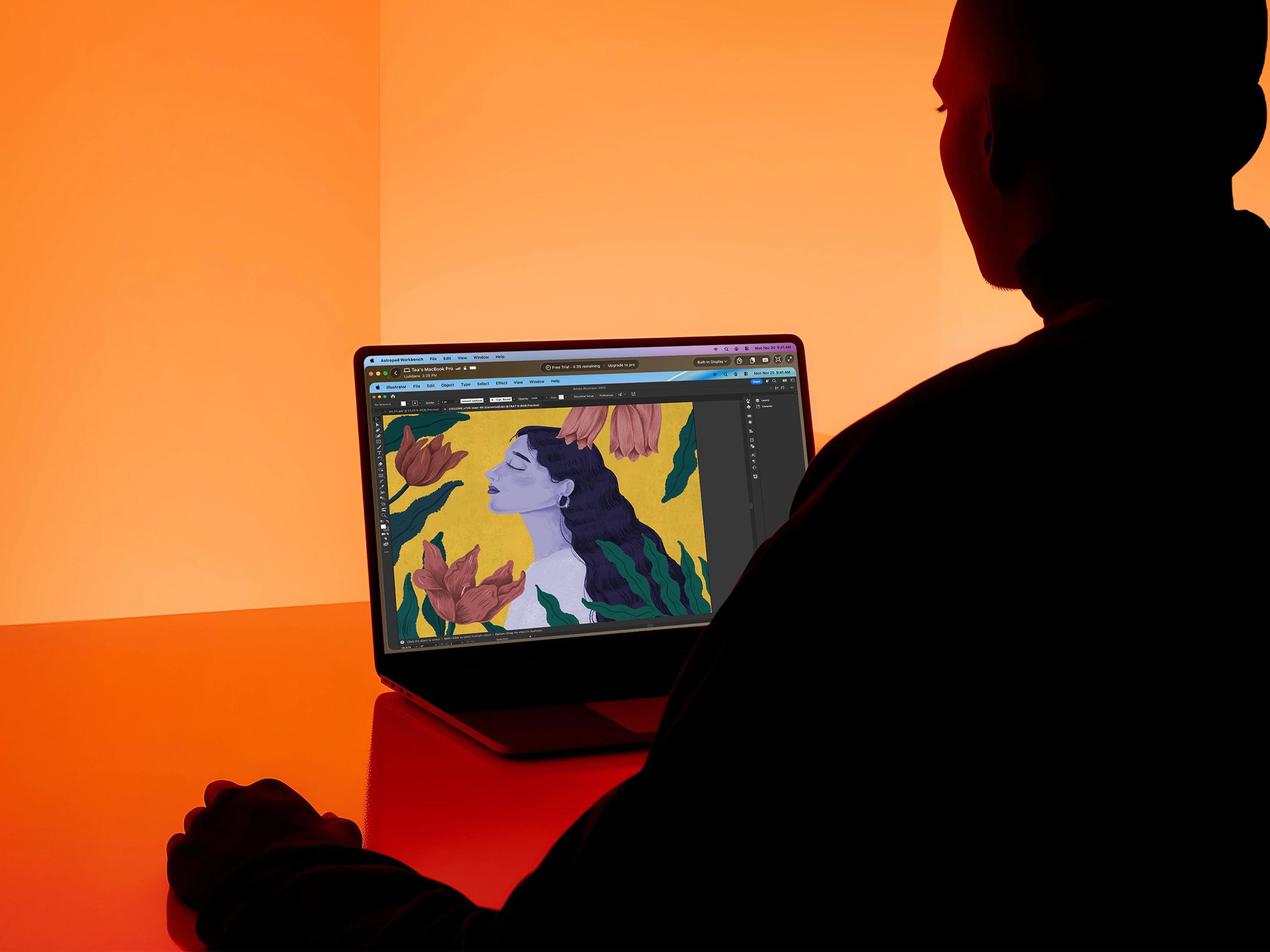
Remote desktop is a solved category, and that was the problem. The products that exist were built for IT support: someone fixing a machine that belongs to somebody else, at a desk, through a keyboard and a mouse. Workbench is for a different situation. An AI agent is running on a headless Mac mini somewhere, and the person responsible for it wants to see what it is doing from wherever they are. They are reading a log, approving something, or restarting a job that stalled. Often from a phone, in a queue. That put the design on three screens at once, and the three do not agree with each other. What sits in a window on a Mac is the whole canvas on an iPad and a 27-inch desktop squeezed into one hand on an iPhone. One product had to stay legible on all of them without turning into three products. Astropad has shipped Apple-native software since 2013 and owns the streaming codec underneath this one, so whatever we handed over had to be usable by a team with a decade of platform opinions.
What we did
1Design one product for three screens
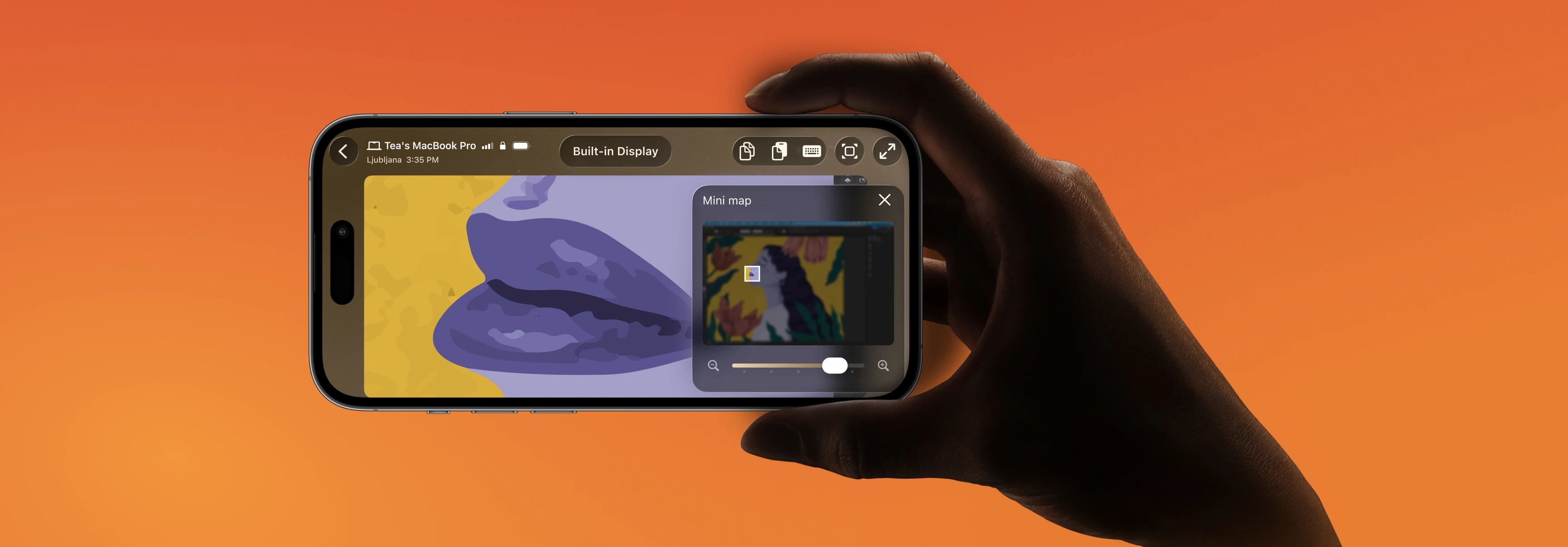
The three apps had to read as one product without pretending the devices are the same. On the Mac, the remote machine sits in a window beside everything else a person is doing. On the iPad, it takes the full canvas and the Apple Pencil becomes a precision cursor. On the iPhone, a 27-inch desktop has to survive being held in one hand, which is the point where panning around stops working and navigation has to become something closer to a map. We designed each surface to its own platform conventions and held the model underneath identical, so moving between them is a change of device rather than a change of product.
2Hand a system to an in-house team
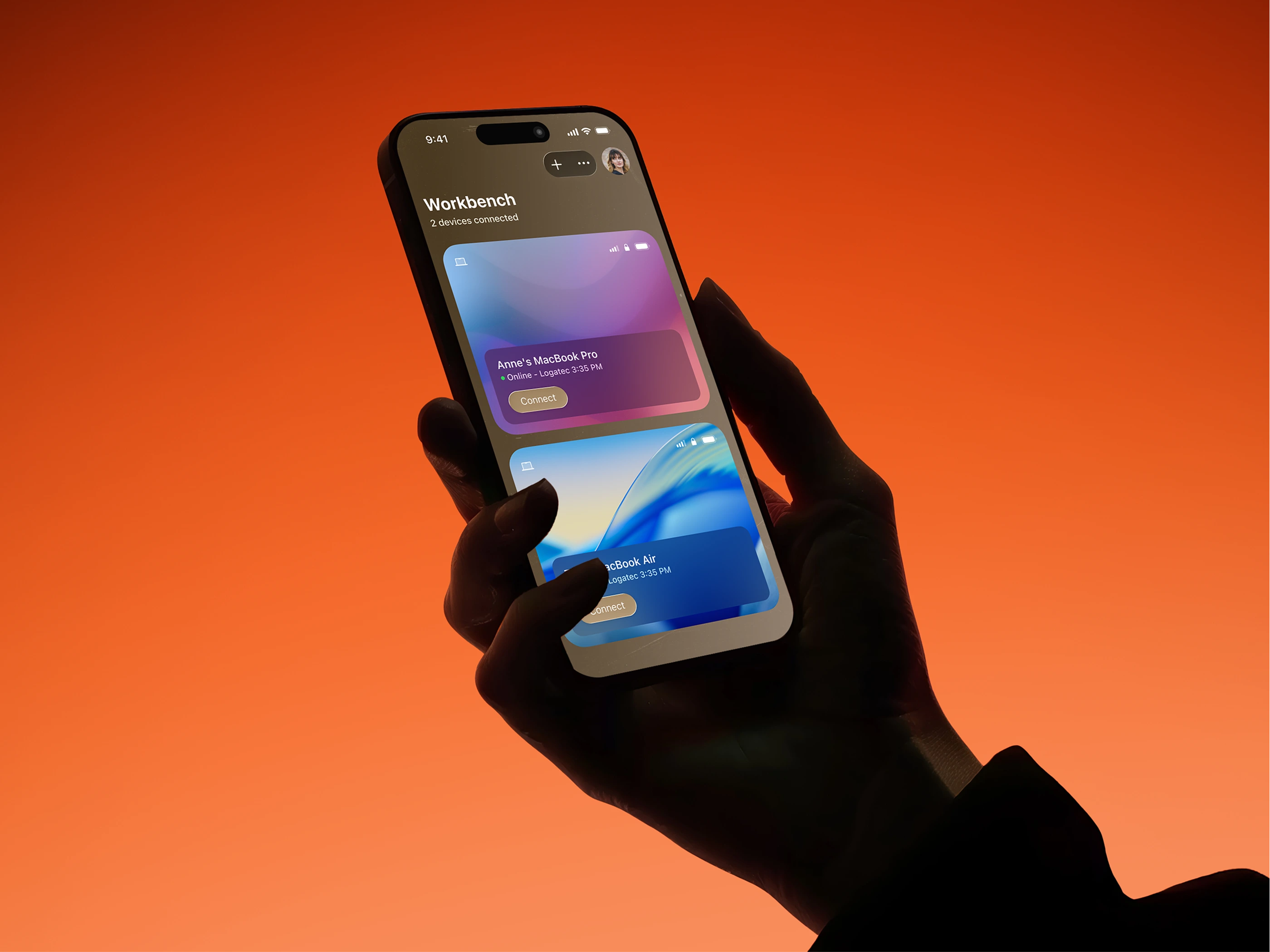
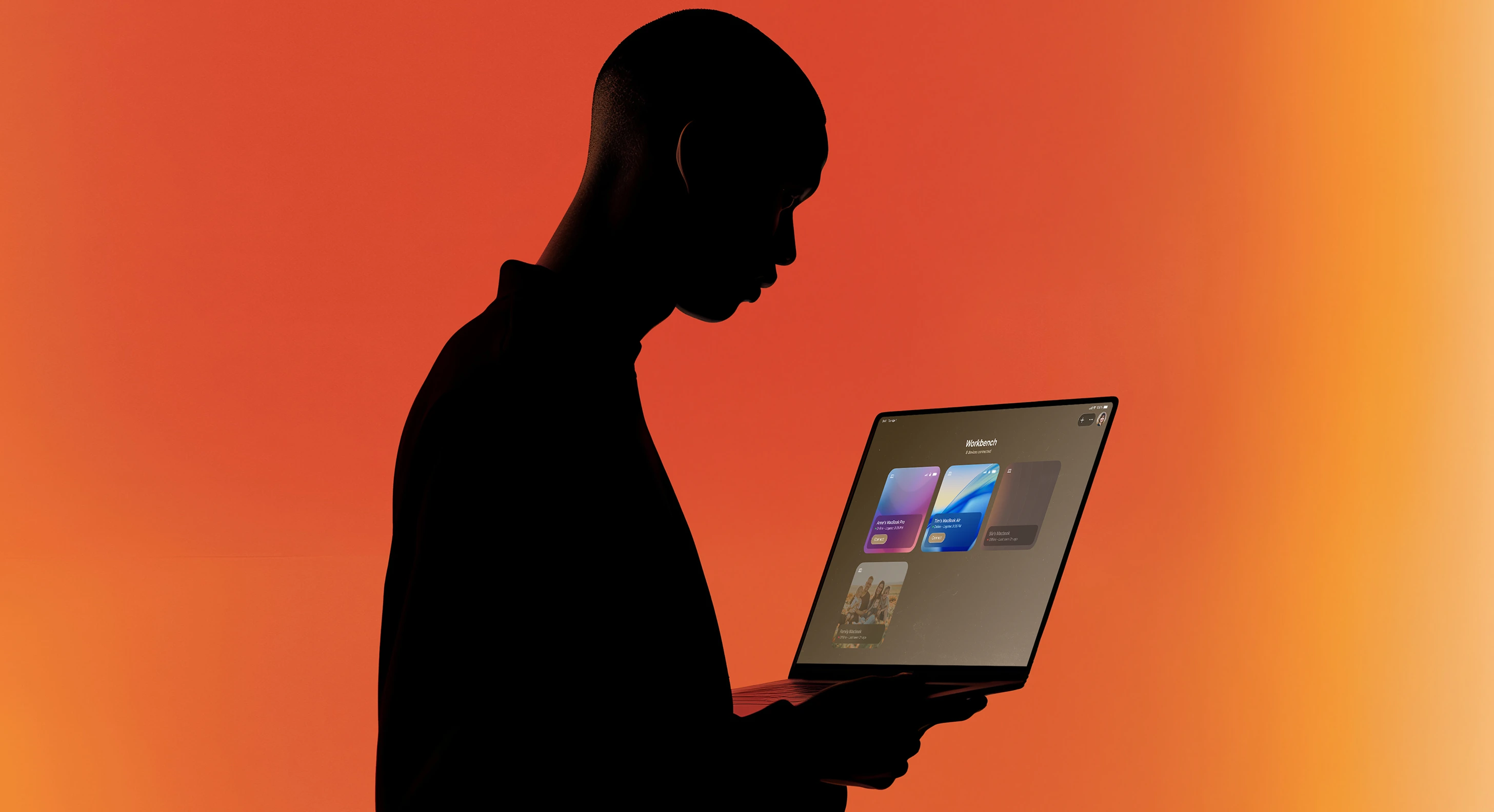
Astropad builds its own software and its own streaming codec, so our work ended where their engineering began. What went over was a system rather than a folder of screens: 15 screens across the three platforms, plus the components, states and rules their team needed to build the apps and keep building them once we stepped away. That mattered more than usual here because the product moves quickly. We finished in Q4 2025, Workbench launched in April 2026, and it had reached version 1.2.6 by the end of July. A system keeps up with that. Fixed screens would have been stale by the second release.
“We're really happy with the work. 350life designed our iPhone app, and it looked so good we expanded the project to the Mac app right away. Both have shipped, and the product is getting very good traction. Their designs gave our team a ton to build, but helped us ship a polished product in quick time. We love their work, and we'll be back for more product work.”
 Matt RongeCEO, Astropad
What we built
- Platforms
- macOS iOS iPadOS
- Stack
- Figma
- Design system
- 15 screens across macOS, iPadOS and iOS, on one system
- Timeline
- Designed in Q4 2025. Astropad launched Workbench on 8 April 2026.
Related work
- website design
- webflow website
- mobile app ux/ui
- mobile app development
- integrations
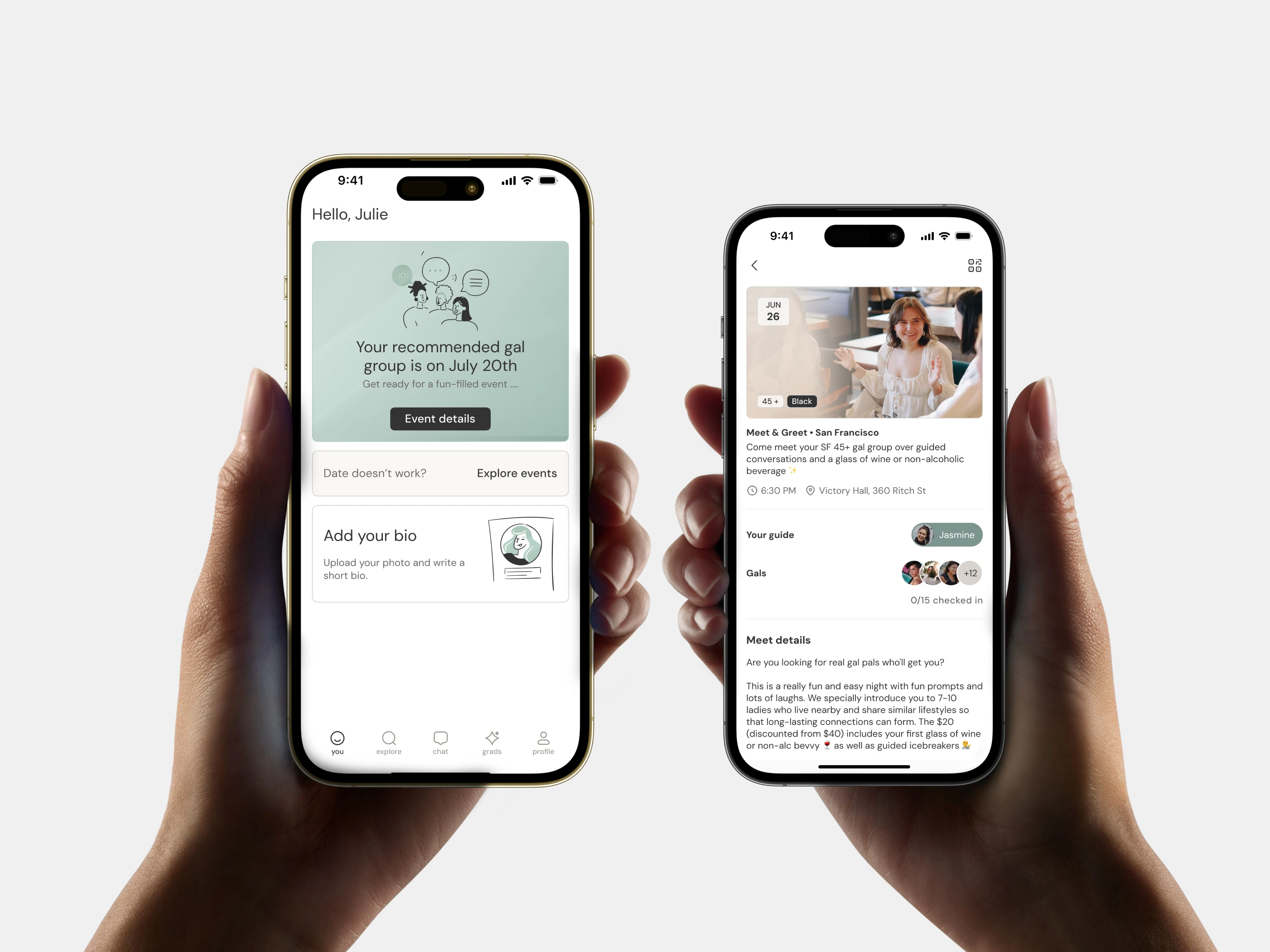
The website and app behind a YC startup at $9.4M ARR
A friendship app that matches women in the same city, then runs them through six weeks of facilitator-led meetups.
- ux/ui design
- design system
- ios app
- embedded web app
- webflow website
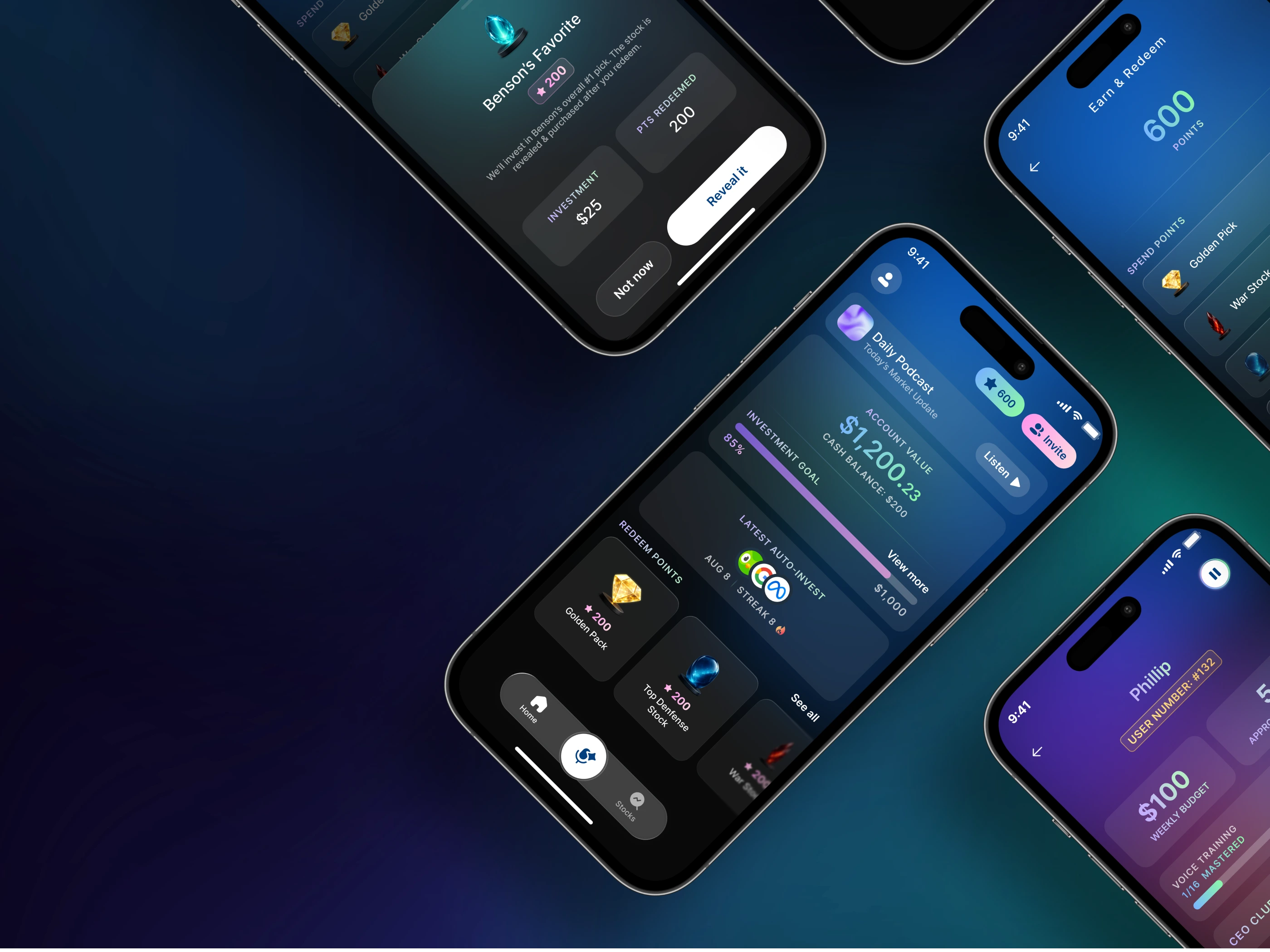
4.8 stars from 1,500 ratings for an app that invests for you every week
An investing app that picks the stocks, then invests a set weekly budget on the user's behalf.
- mobile app UX/UI
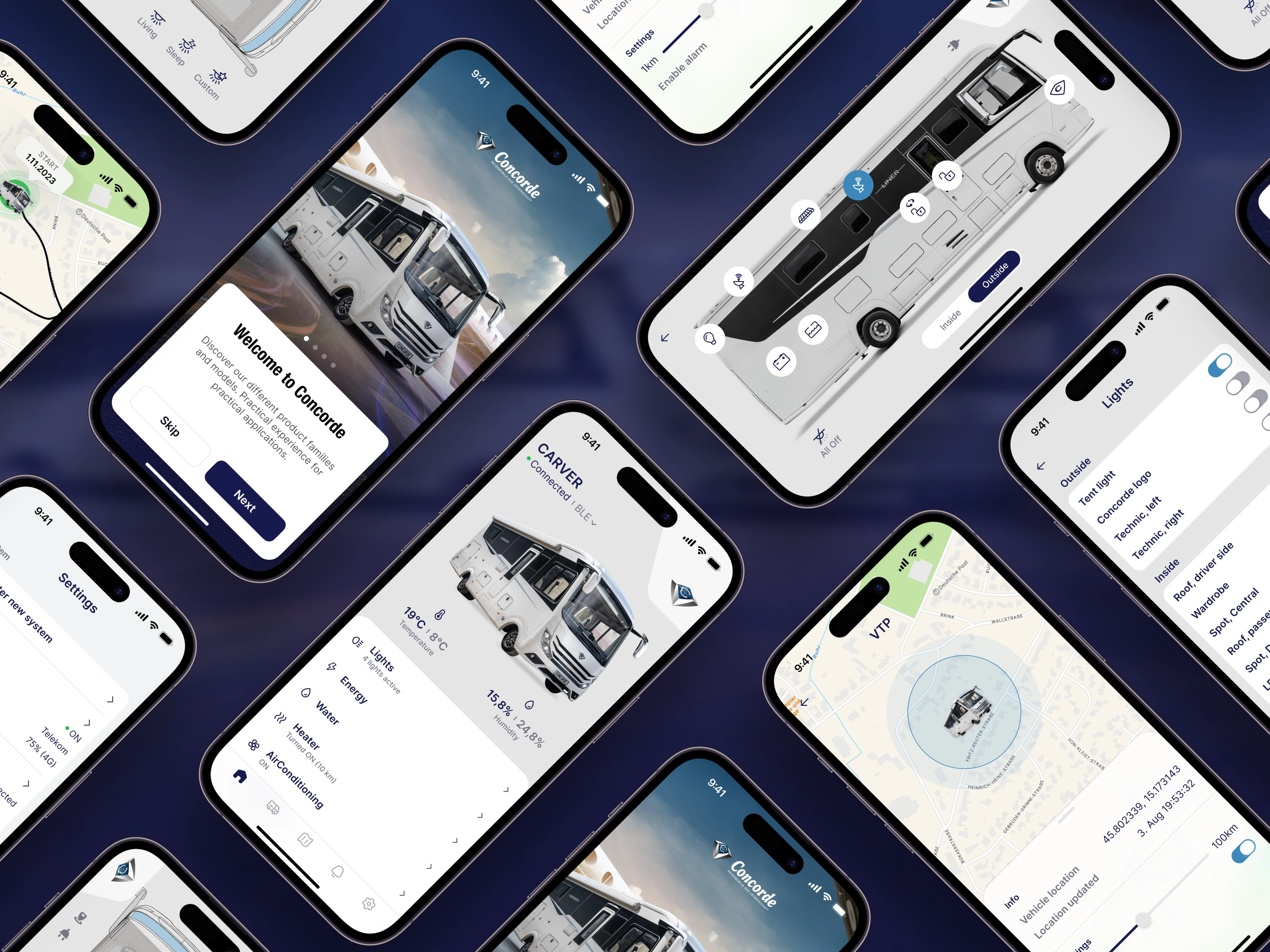
The control app for a luxury motorhome, designed to match the vehicle
A German manufacturer of luxury motorhomes, building around 400 vehicles a year at Schlüsselfeld-Aschbach since 1985.